ℹ️ Questo articolo non è ancora disponibile nella tua lingua
Public Domain 2026: Unlocking Classics for Learners
1930 sounds like ancient history until you look at what it actually produced. This was the year of the hardboiled detective, the teen sleuth, and the jazz standard. It was a year that defined “cool” for the rest of the century.
On January 1, 2026, these icons ceased to be owned property. They belong to us now.
For language learners, this is more than just free books. It means that the foundational texts of modern mystery and pop culture are finally unlocked for total creative remixing—translated, adapted, and gamified without a single lawyer getting involved.
This is where my motividation for Mytoori comes from. I started out wanting to read works in their original language, knowing that their translations were readily available.
The Literary Giants
1930 was a powerhouse year for fiction. These texts, now free from copyright restrictions, offer rich, complex vocabulary and deep cultural context for advanced learners.
The Maltese Falcon
Dashiell Hammett
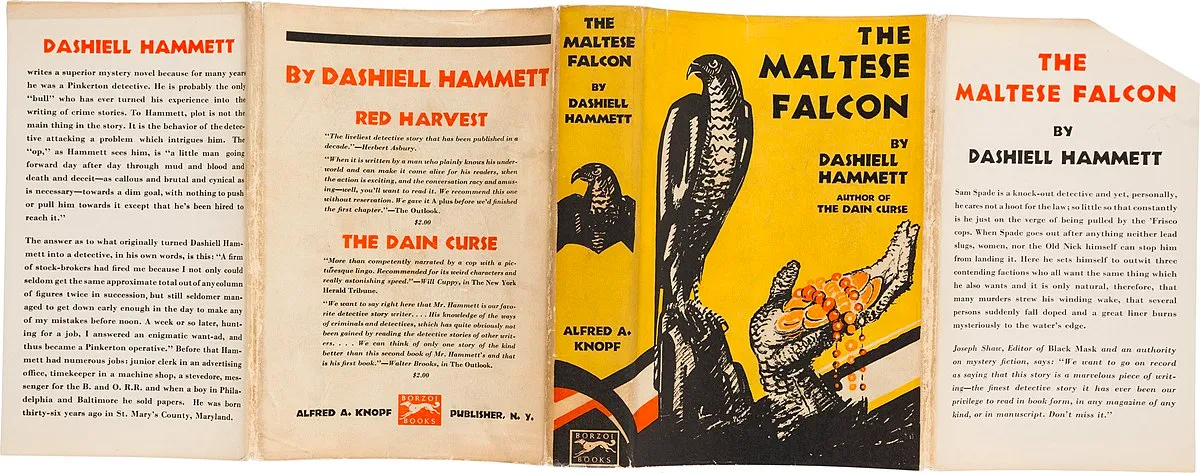
The definitive hardboiled detective novel. Sam Spade’s cynical, sharp dialogue is perfect for learners wanting to understand American idiom and noir style.
Image: Public Domain
As I Lay Dying
William Faulkner
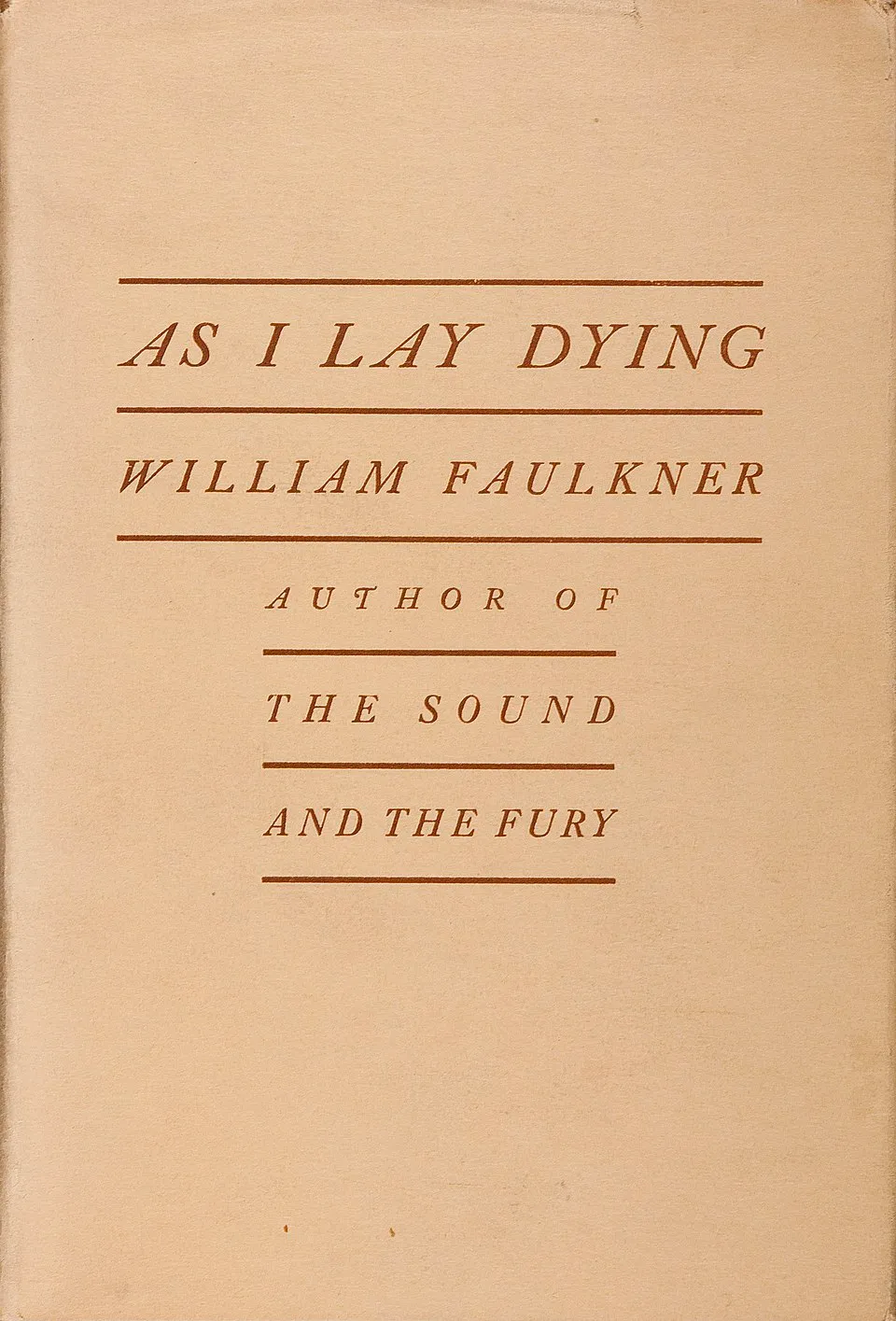
A challenge even for native speakers, Faulkner’s stream-of-consciousness narrative offers a profound look into Southern American English dialect and structure.
Image: Public Domain
The Murder at the Vicarage
Agatha Christie
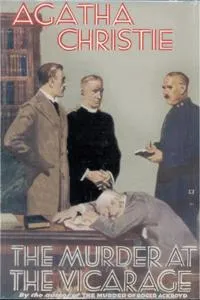
The very first Miss Marple mystery. Christie’s clear, precise British English is a staple for ESL learners worldwide, offering a cozy yet intellectual challenge.
Image: Fair Use via Wikipedia
Icons of Youth & Pop Culture
It wasn’t all serious literature. 1930 gave birth to characters that have become global brands. Now, their original iterations belong to everyone.
Nancy Drew
The Secret of the Old Clock
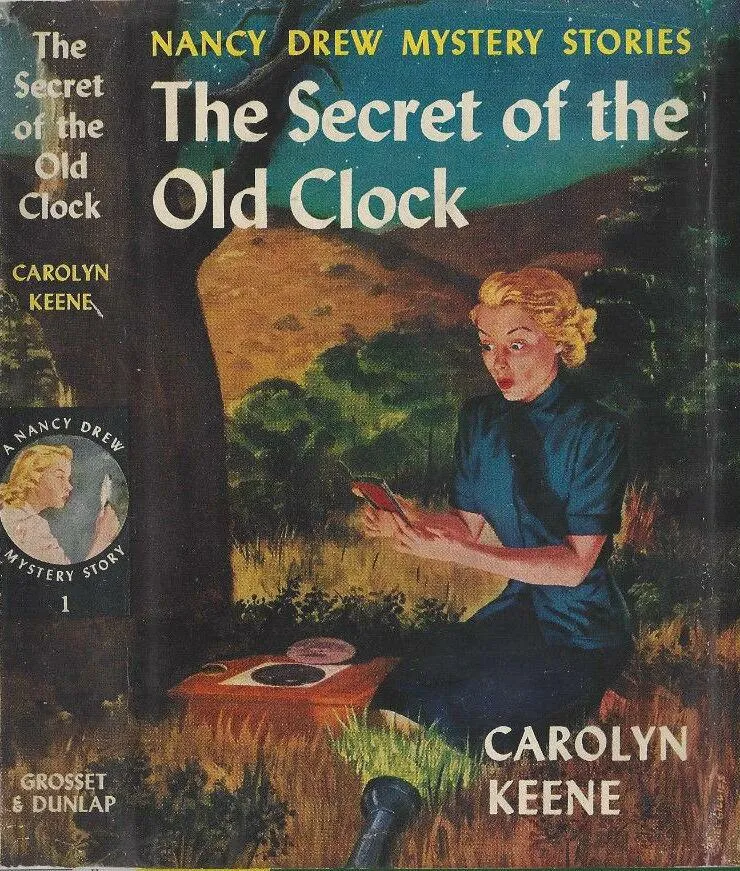
The first three books (The Secret of the Old Clock, The Hidden Staircase, The Bungalow Mystery) are now public domain.
Image: Public Domain
The Little Engine That Could
Watty Piper & Lois Lenski
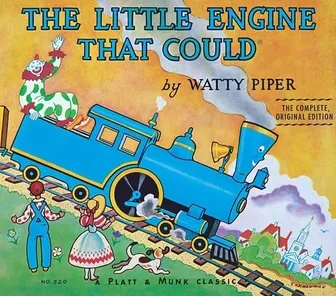
Watty Piper’s classic story of perseverance is simple, repetitive, and perfect for beginners.
Image: Fair Use via Wikipedia
Betty Boop
Dizzy Dishes (1930)
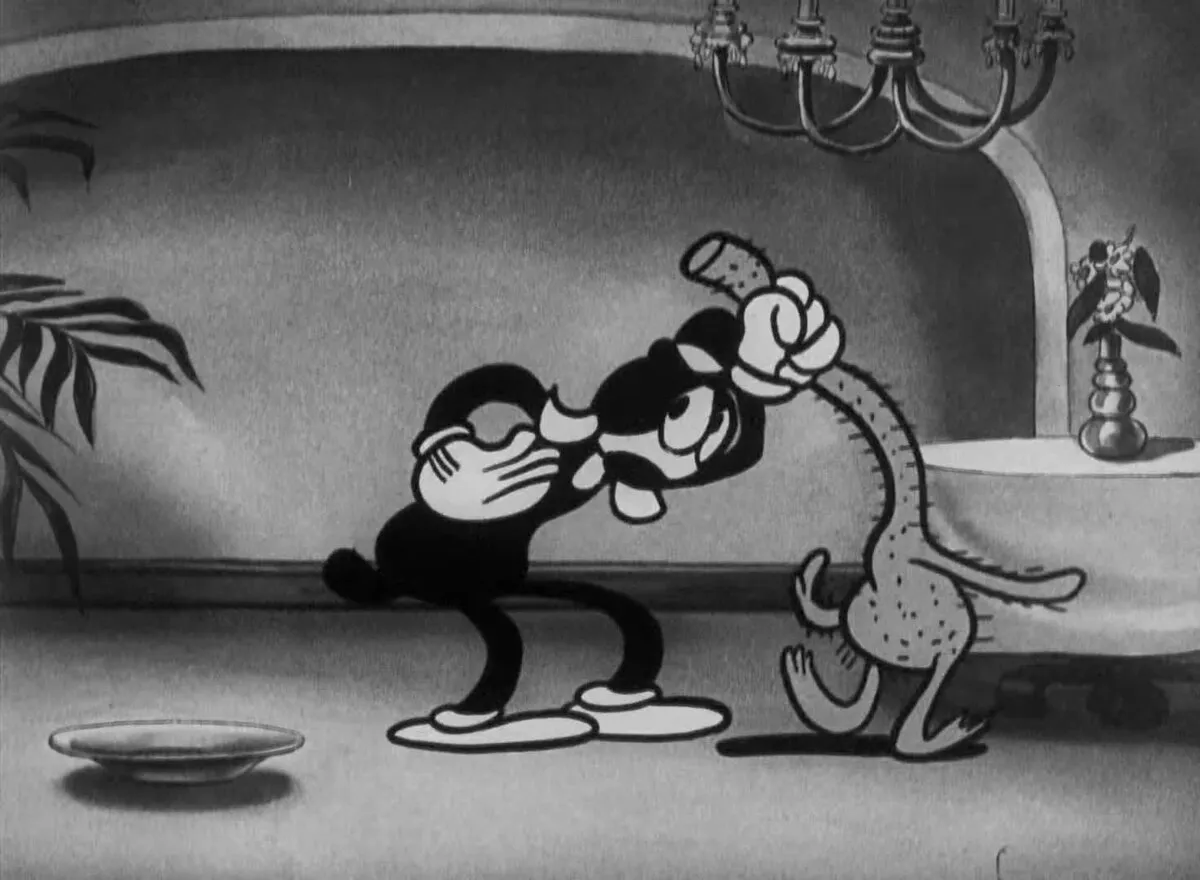
The original 1930 iteration of this animation icon enters the commons. While she started as a dog-like character, she quickly evolved into a Jazz Age icon.
Image: Public Domain (Dizzy Dishes)
Mickey Mouse
1930 Comic Strips
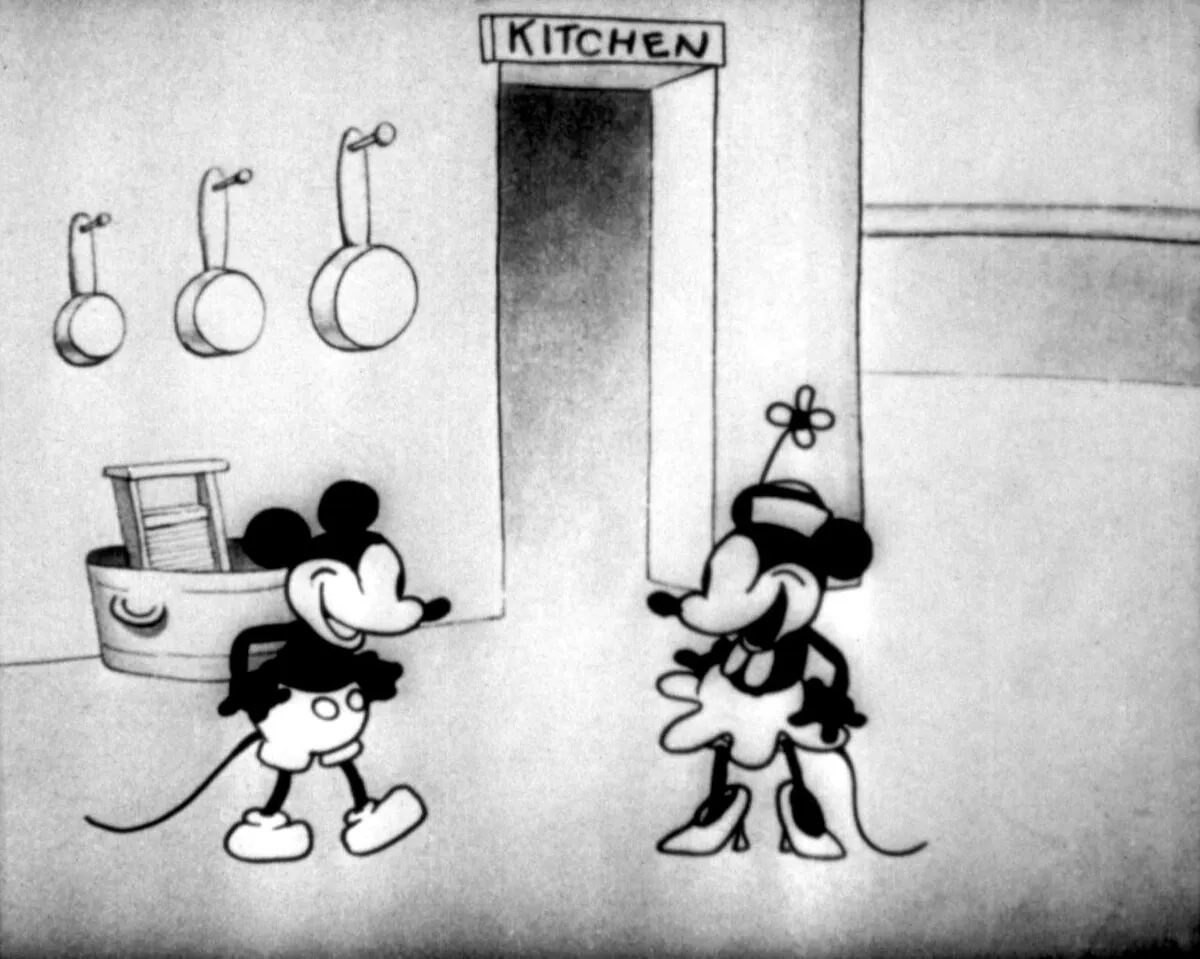
The first daily comic strips from 1930 are now open.
Image: Public Domain (Steamboat Willie Era)
The Soundtrack of 1930
Language isn’t just about reading; it’s about listening. The music of 1930 defines the Jazz Age and the Great American Songbook.
- “Georgia On My Mind” (Hoagy Carmichael & Stuart Gorrell)
- “I Got Rhythm” & “Embraceable You” (George & Ira Gershwin)
- “Body and Soul” (Johnny Green et al.)
Lyrics from these standards provide catchy, memorable ways to learn idiomatic expressions and rhythm.
Old Books, New Tools
We don’t look at The Maltese Falcon and see a museum piece. We see a raw dataset.
When a work enters the public domain, we can strip it down and rebuild it as a learning engine. We can embed instant translations directly into Sam Spade’s dialogue. We can build an AI Miss Marple that quizzes you on vocabulary. We can line up As I Lay Dying next to its French and German translations and let you toggle between them instantly.
The public domain isn’t just a library; it’s a playground. And in 2026, we are opening the gates.
Want to explore more literary history? Discover the giants who paved the way in our guides to Great Authors of the 1700s and Famous Writers of the 1800s.
Source: For a full list of works entering the public domain, visit the Center for the Study of the Public Domain at Duke Law School.
Master Any Language with Mytoori
Stop struggling with flashcards and boring lessons. Mytoori helps you learn naturally through immersive storytelling and real-world conversations.
Start Learning Free